What to Do After Receiving Professional Termite Control Services
A professional termite treatment is a major step toward protecting a home, but it is not the finish line. Many property owners relax the moment the technicians leave, assuming the problem is solved permanently. Sometimes that confidence is earned. Sometimes it leads to missed warning signs, unnecessary damage, or frustration when conditions around the home continue to attract termites.
The period after treatment matters more than most people expect. I have seen homes receive excellent Termite Control Services, only for the owner to stack damp firewood against the foundation a week later. I have also seen the opposite: homeowners who followed the post-treatment guidance carefully, kept moisture under control, and gave the treatment every chance to do its job. The difference between those two outcomes usually has less to do with the product used and more to do with what happens in the next few weeks and months.
The right next steps are practical, not complicated. You need to understand what kind of treatment was performed, what the normal aftermath looks like, what changes to make around the property, and when to call the pest control company back. Those details protect your investment and help you catch any lingering issues early.
Start by understanding the treatment you received
Not all termite treatments work the same way, and the aftercare depends on the method. A soil treatment around the foundation behaves differently from a baiting system. A localized wood treatment in a wall void does not have the same timeline as a full perimeter application.
If the company applied a liquid termiticide in the soil, the goal was likely to create a treated zone that termites either avoid or carry through the colony, depending on the chemistry used. In that case, the soil around the foundation becomes important. Digging, trenching, regrading, or heavy landscaping too soon can disrupt that treated area.
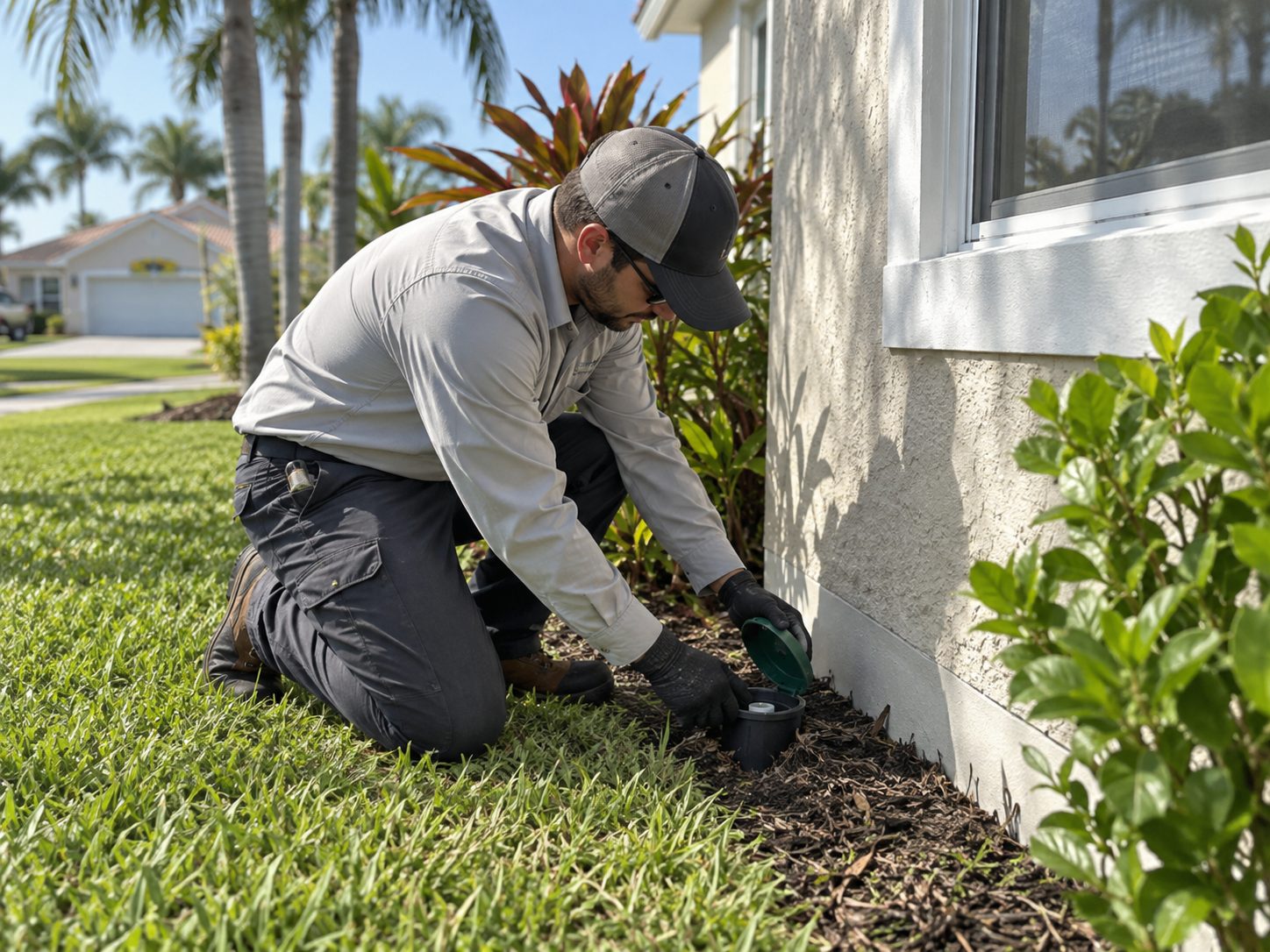
If the company installed bait stations, the process is usually slower and more dependent on termite feeding activity. Homeowners sometimes worry when they still see signs of termites after a bait system is installed, but baiting often works over time rather than overnight. Patience matters, though it should be informed patience, not passive waiting.
If the treatment was a direct wood application or a foam injection into infested wall spaces, the results can be more targeted. That can be effective when the infestation is isolated, but it may also mean follow-up inspections are especially important to confirm the termites were not active in adjoining areas.
Before anything else, pull out the paperwork and review it. Look for the treatment type, the warranty terms, any preparation or aftercare notes, and Termite Control Services maximumpests.com the recommended reinspection schedule. If the paperwork is vague, call and ask for clarification. A reputable provider should have no trouble explaining what was done and what you need to do next.
Expect some activity, but know what is normal
One of the most common post-treatment concerns is this: "Why am I still seeing termites?" The answer depends on timing, species, and treatment method.
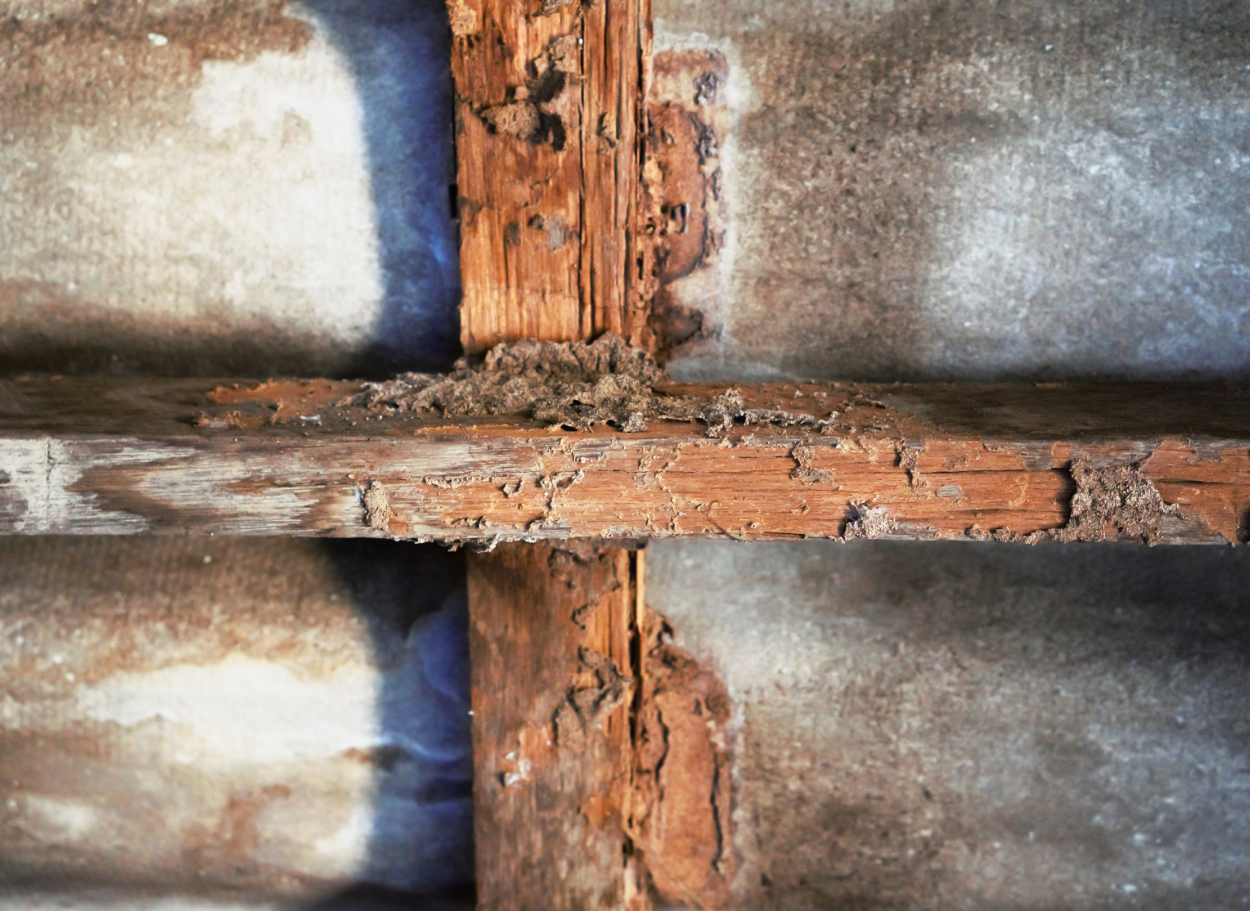
It is not unusual to notice a few live termites shortly after treatment, especially if a colony was well established. Termites hidden inside wood or wall cavities do not all die at once. In some cases, workers may still emerge briefly before the treatment fully takes effect. What you want to watch for is the pattern. A small amount of residual activity right after service can be normal. Continued swarms, fresh mud tubes, or obvious new damage weeks later deserve attention.
This is where context matters. Seeing a handful of dead swarmers on a windowsill after treatment is one thing. Breaking open a basement panel and finding busy, creamy-white workers moving through moist wood a month later is another. The first may be expected. The second should trigger a call to your termite professional.
Take pictures if you notice anything suspicious. Good photos help both you and the pest control company compare conditions over time. They also reduce the temptation to rely on memory, which is notoriously unreliable when people are worried about structural damage.
Give the treated areas a chance to work
After many forms of Termite Control Services, the best immediate action is restraint. People often want to wash, patch, plant, repaint, or rearrange everything right away. Some of that can wait.
If the treatment involved drilling through concrete slabs, garage floors, or masonry, the company may have patched those drill holes. Leave those repairs alone unless the technician tells you otherwise. If trenches were dug around the foundation and then refilled, avoid disturbing that soil. Even routine activities such as installing edging, planting shrubs, or running irrigation lines can interfere with the treatment zone.
Inside the home, if access points were created in drywall or trim for foam or spot treatment, ask when cosmetic repairs can safely be made. Many companies are clear about this, but homeowners sometimes rush the patching process because they want the house to look normal again. It is better to wait the recommended amount of time and make one permanent repair than to close everything up before the treatment can be evaluated.
Ventilation can matter too, particularly if indoor applications were used. Follow any instructions about re-entry, airing out rooms, or keeping children and pets away from certain spaces for a stated period. Professional products are applied under regulated conditions, but the label directions and technician guidance still matter.
Manage moisture like it is part of the treatment, because it is
If there is one post-service issue that repeatedly undermines good termite work, it is moisture. Subterranean termites thrive where wood and dampness meet. A technically sound treatment can still be put under pressure if the property remains wet, humid, or chronically leaky.
I once walked through a treated crawl space where the chemical barrier was probably fine, but a plumbing drip had been saturating the soil for months. The insulation was wet, the humidity was high, and sections of floor framing stayed damp enough to keep attracting termites. That was not a treatment failure in the usual sense. It was a property conditions problem that no pesticide could solve alone.
Pay close attention to roof runoff, gutter discharge, grading, crawl space humidity, plumbing leaks, condensation from HVAC lines, and sprinkler overspray against the foundation. Also look at exterior wood elements. Fence posts, porch steps, wood siding close to soil, and deck framing can all create termite-friendly bridges.
A home that stays dry is harder for termites to exploit. That does not eliminate risk, but it shifts the odds in your favor.
Clean up the conditions termites like
Post-treatment prevention is not glamorous, but it works. Termites are drawn to cellulose and protected access. If the home gives them both, they will keep testing it, treated or not.
The first thing I usually tell homeowners is to look outward from the foundation. Mulch piled too deep against the house, cardboard stored in a crawl space, old stumps near the structure, and untreated lumber left on bare soil are all invitations. None of these items guarantees a new infestation, but each makes the property more attractive and inspection more difficult.
The second issue is concealed access. Dense foundation plantings, cluttered storage rooms, and blocked crawl space entries make it harder to spot new mud tubes or moisture damage early. Termite prevention is partly about visibility. The easier it is to inspect, the faster problems get caught.
Here are the most useful post-treatment housekeeping steps:
- Keep mulch thin and avoid piling it directly against the foundation.
- Move firewood, lumber, and cardboard well away from the house.
- Trim plants back so the foundation remains visible and accessible.
- Fix leaks promptly, including minor drips in crawl spaces and basements.
- Avoid wood-to-soil contact wherever possible.
None of those actions replaces professional treatment. They support it. Think of them as reducing pressure on the system you just paid to install.
Keep the warranty paperwork where you can find it
Many termite treatments include a service agreement or renewable warranty. That document matters more than people think. Homeowners often file it away and forget about it until they discover suspicious damage years later. By then, the renewal may have lapsed or the inspection terms may not have been followed.
Read the coverage details carefully. Some agreements cover re-treatment only. Others may include repair coverage under specific conditions. The difference is substantial. Re-treatment can be valuable, but it is not the same as having structural repairs covered. There may also be requirements about annual inspections, transferability to a new owner, and notifying the company within a certain timeframe if you see signs of termite activity.
If you plan to sell the home, this paperwork can also become a practical asset. Buyers often feel more comfortable when there is a clear treatment record, active warranty, and evidence of regular inspections. In some real estate transactions, that documentation can smooth a deal that might otherwise become tense once termites enter the conversation.
Schedule and respect follow-up inspections
A good termite program includes monitoring. Even strong treatments should be checked, especially in regions where termite pressure is high year-round. The timing varies by company and treatment type, but annual inspections are common, and some bait systems require more frequent visits.
This is not just a box-checking exercise. A trained inspector looks for subtle indicators most homeowners miss, such as weak mudding on a pier, faint blistering in trim, moisture patterns, or signs that a bait station has been disturbed and needs service. They also evaluate whether changes to the property have compromised the treatment area.
If your provider recommends a follow-up visit in thirty days, sixty days, or at the next swarm season, keep that appointment. Too many people skip the first post-treatment check because they assume silence means success. In termite work, confirmation matters. It is much easier to deal with a small remaining pocket of activity than a problem that has quietly continued for a year.
Know the warning signs that justify a call back
You do not need to become a termite expert after treatment, but you should know what crosses the line from normal to concerning. A few symptoms deserve quick attention, especially if they appear after the expected treatment window.
Watch for these signs:
- New mud tubes on foundation walls, piers, or interior surfaces.
- Swarms of winged termites indoors or close to the home after treatment.
- Wood that sounds hollow, blisters, or feels unusually soft.
- Small piles of wings near windows, doors, or light sources.
- Persistent moisture issues in areas with past termite activity.
When you notice one of these, document it and contact the provider. Be specific. Instead of saying, "I think the termites are back," say, "I found a fresh mud tube about eight inches long on the north foundation wall near the hose bib." That level of detail helps the office prioritize the situation and helps the technician know where to start.
Be careful with renovations and landscaping
This is where many post-treatment plans go sideways. A homeowner treats for termites in spring, then installs a patio, replaces flower beds, or rebuilds a deck in summer. Those improvements may look unrelated, but they can alter drainage, cover inspection zones, or physically interrupt the treated soil around the home.
If you are planning construction, tell the termite company first. That includes adding a room, pouring a slab, replacing siding, excavating near the foundation, or even major irrigation work. In some cases, the company may recommend retreating sections after the project is complete. In others, they may adjust bait placement or inspect specific structural transitions that become vulnerable after the remodel.
Decks and porches are common trouble spots. Contractors sometimes create hidden wood-to-soil contact or close off inspection access unintentionally. The work may be structurally sound and still increase termite risk. Coordination between your builder and pest professional saves headaches later.
If you have a crawl space, pay extra attention there
Crawl spaces deserve their own mention because they combine several termite-friendly features: darkness, damp air, plumbing lines, and wood framing. After treatment, this area should not be ignored just because no one enjoys going under the house.
Check, or have someone check, whether standing water develops after rain. Look at insulation condition, vapor barrier coverage, and ventilation or encapsulation performance, depending on how your crawl space is designed. Even a well-treated crawl space can become vulnerable if the environment stays wet and inaccessible.
I have seen cases where the treatment held up, but a torn vapor barrier and poor drainage kept conditions favorable enough that new pressure built at untreated entry points. The homeowner assumed the termite company would "handle it" at the next annual visit. By then, repair costs had climbed far beyond what a simple moisture correction would have cost.
Understand what treatment cannot do
Professional Termite Control Services are highly effective when properly selected and applied, but they have limits. Treatment does not reverse wood damage that has already occurred. It does not correct bad drainage, fix structural rot, or eliminate every insect that resembles a termite. It also does not make a property permanently immune.
That point is worth stressing because people often confuse treatment with a lifetime guarantee of zero termite risk. The more accurate way to think about it is this: professional service reduces active infestations and lowers the chance of reinfestation, especially when paired with inspections and property maintenance. It is a powerful layer of protection, not a magical shield.
There is also the issue of species and pressure. Homes in heavy subterranean termite regions face a different level of ongoing risk than homes in colder or drier zones. A provider working in the Gulf Coast, for example, usually thinks about year-round pressure in a way that differs from a provider in a northern climate with shorter swarming seasons. Post-treatment expectations should reflect local conditions.
Talk to your provider if something feels off
Homeowners sometimes hesitate to call because they do not want to sound alarmist or assume the company will dismiss them. A good provider would rather answer a cautious question early than deal with extensive hidden damage later. If you are unsure whether what you are seeing is normal, ask.
That conversation is easier when you have details. Note the location, timing, weather conditions, and what exactly you observed. If a swarm happened, mention whether it was indoors or outdoors and whether wings were shed. If there is damage, describe the material and whether it seems new or longstanding. Photos help. So does keeping all communication in writing or at least following up a phone call with an email summary if the issue appears significant.
A practical, documented relationship with the service company protects both sides. It sets clear expectations and makes it easier to act promptly if a touch-up treatment or additional inspection is needed.
The best results come from service plus stewardship
The homeowners who get the most value from termite treatment are rarely the ones who do the most dramatic things. They usually do the ordinary things consistently. They keep the warranty active. They do not bury the foundation under mulch. They fix leaks when they are small. They let inspectors do their job. They pay attention without becoming obsessive.
That steady approach works because termite management is not one event. It is an ongoing combination of treatment, monitoring, and property Termite Control Services care. When those pieces support each other, the odds improve significantly.
Professional treatment addresses the immediate threat. What you do afterward determines how durable that protection becomes. If you treat the service call as the start of a maintenance plan, rather than the end of a termite problem, you put your home in a far stronger position for the years ahead.
Maximum Pest Control
836 NE 7th Terrace Suite #5
Cape Coral, FL 33909
+1 239-772-7363
FAQ About Termite Control Services
What are two signs of a termite infestation?
Mud tubes along a foundation and piles of shed wings near doors or windows are two signs to investigate. Mud tubes are associated with subterranean termites. A licensed inspector can identify the insect and assess whether there is active infestation.
How many years does a termite treatment last?
There is no single timeline for all treatments. The method, site conditions, and maintenance affect how long protection lasts. Bait systems rely on monitoring and service. Ask the provider for the recommended inspection schedule and the terms of any coverage.
Is Termite Treatment Expensive in Cape Coral?
Cost depends on the termite species, the size and construction of the property, the extent of activity, and the treatment method. Request a written estimate after inspection and ask whether monitoring, follow-up visits, and renewals are included.