How Eco-Friendly Termite Control Services Keep Pests Away
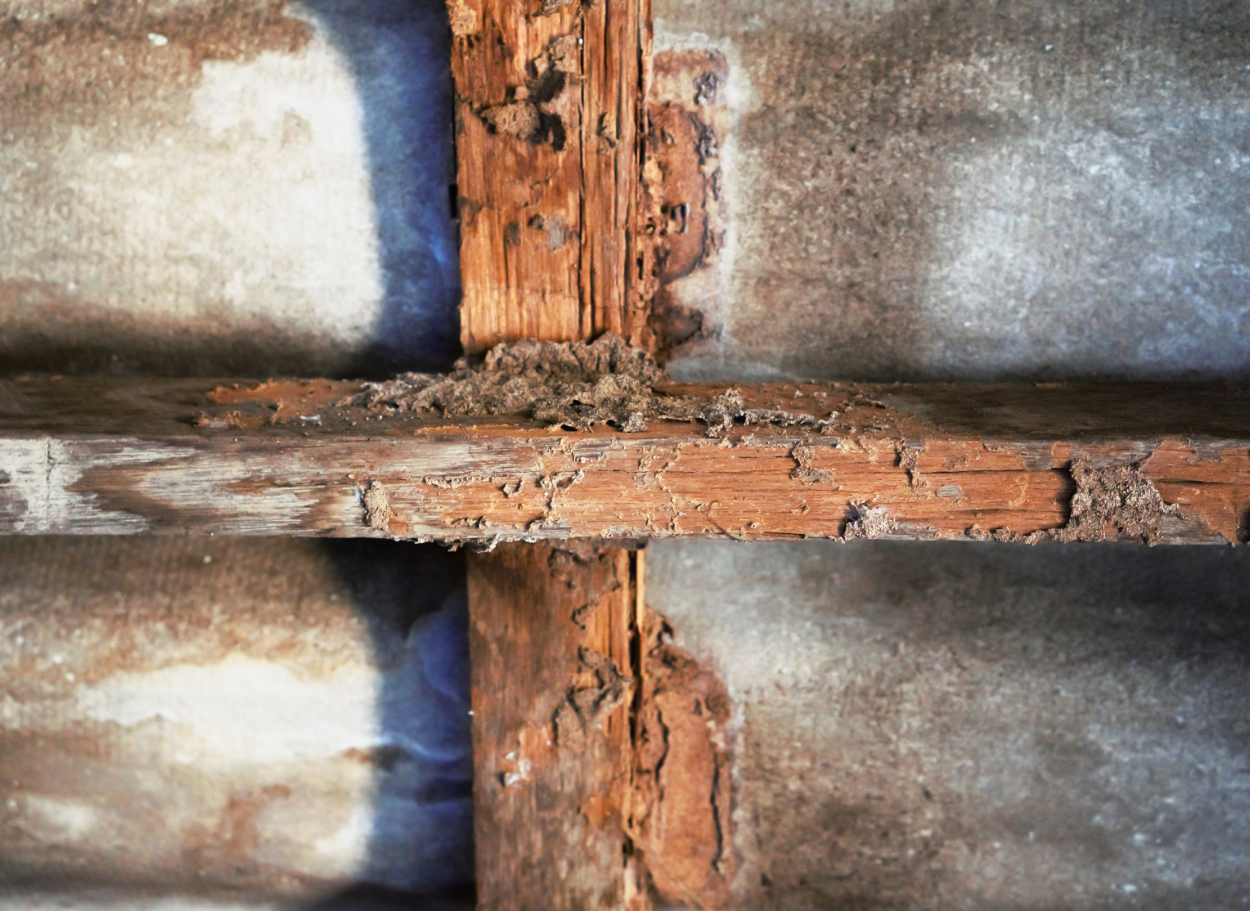
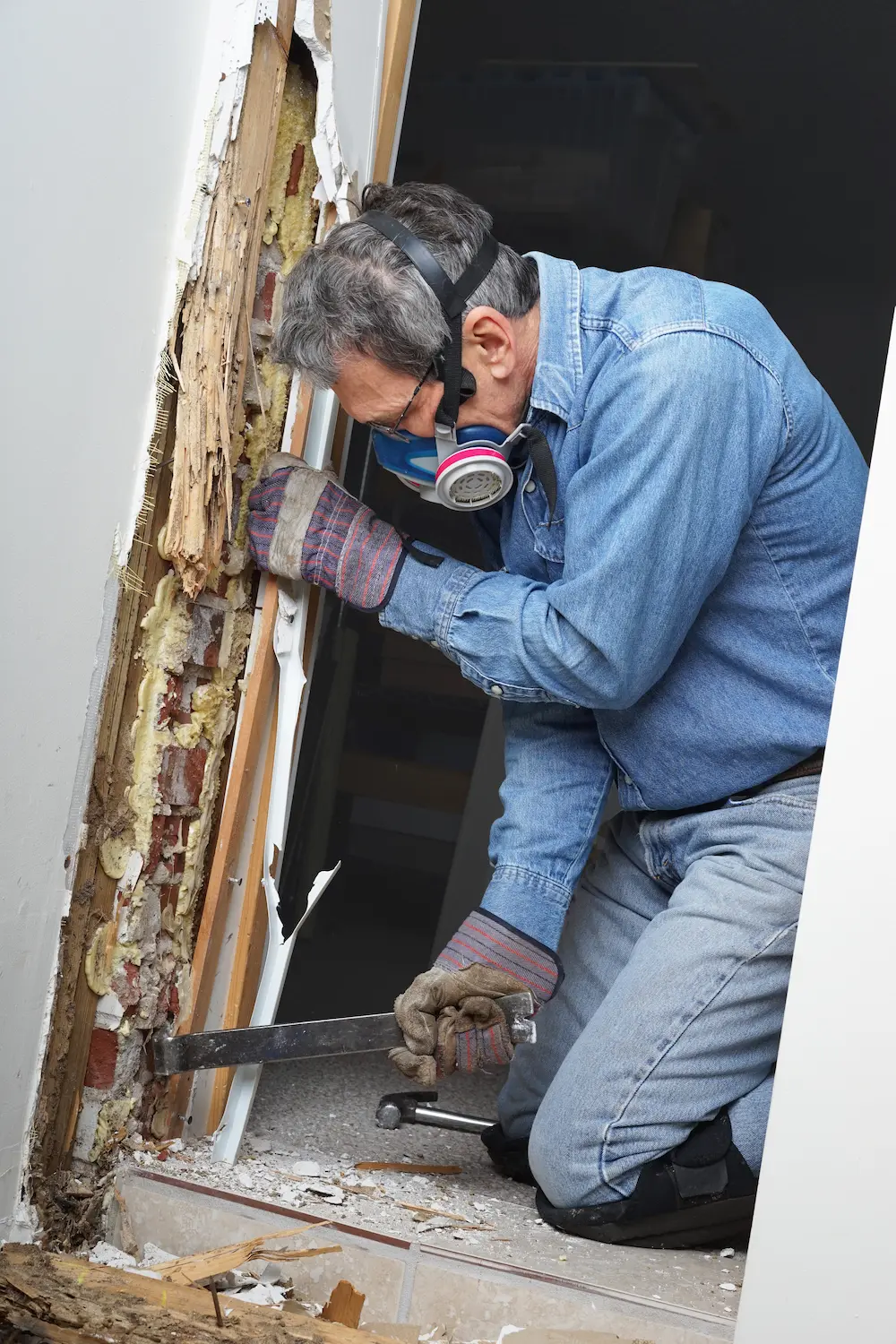

Termites do not announce themselves with drama. Most infestations begin quietly, behind drywall, under flooring, inside sill plates, or along foundation seams where moisture and wood meet. By the time a homeowner notices a blistered baseboard or a hollow-sounding door frame, the colony has often been active for months, sometimes longer. That is what makes termite work different from many other pest issues. It is not just about killing visible insects. It is about understanding pressure points in a building, interrupting the colony’s access to cellulose, and doing it in a way that protects the people, pets, soil, and surrounding landscape connected to that structure.
Eco-friendly termite control has gained ground for a simple reason: many property owners want effective treatment without saturating their homes and yards with broad, persistent chemicals. They also want a strategy that lasts. The best eco-conscious termite programs are not soft or vague. When done well, they are disciplined, targeted, and rooted in termite biology. They focus on monitoring, precise application, habitat correction, and long-term prevention rather than blanket treatment for its own sake.
That distinction matters. “Eco-friendly” should never mean “less effective.” In practical terms, it usually means using the least disruptive approach that can still solve the problem. Experienced Termite Control Services follow that principle every day, especially in homes with children, sensitive landscaping, gardens, wells, crawl spaces, or older materials that require careful handling.
What eco-friendly termite control really means
The phrase gets stretched in marketing, so it helps to define it clearly. Eco-friendly termite control usually combines lower-impact products with smarter inspection methods and non-chemical prevention. Instead of relying on one heavy treatment across an entire property, technicians look for Termite Control Services the colony’s travel routes, moisture sources, structural vulnerabilities, and active feeding zones. Then they build a treatment plan that is narrow where it can be, broad where it must be.
In the field, that often includes baiting systems, localized wood treatments, borate applications, moisture control recommendations, physical barriers where feasible, and ongoing monitoring. Some cases still call for soil treatments, especially with severe subterranean termite pressure, but even then the best providers aim for precise trenching, measured dosing, and targeted placement rather than unnecessary overapplication.
A good eco-conscious program is less about a label and more about restraint backed by knowledge. If a technician can stop a colony with a monitored bait station network and a few spot treatments, there is no reason to drench every inch of the property. On the other hand, if structural conditions and infestation patterns show that a limited approach will fail, the honest recommendation may be more intensive treatment. That judgment is where real expertise shows.
Why termites are well suited to targeted control
Termites are social insects. They depend on caste roles, chemical communication, and reliable food exchange inside the colony. That biology gives professionals leverage. Workers continuously forage, recruit nestmates, and move food back through the colony. Certain bait systems use that behavior to great effect, allowing termites to carry active ingredients back to others rather than forcing a technician to chase every hidden gallery by brute force.
Subterranean termites, which are responsible for much of the damage in many regions, need moisture and usually maintain contact with the soil or humid shelter tubes. That means colony activity often follows patterns that can be monitored. Drywood termites are different, living directly in the wood they consume, but even there, targeted treatment can outperform broad spraying when the infestation is accurately mapped.
I have seen homeowners assume that if they cannot see swarms or mud tubes, the problem must be gone. It rarely works that way. Termites respond to humidity, temperature, food quality, and disturbance. A quiet period may mean nothing more than a shift in feeding location. Eco-friendly termite work depends on understanding those shifts and tracking them over time.
The inspection is where success begins
The most important part of termite control is the part many clients barely see. Before any treatment plan is written, a thorough inspection should look at foundation walls, crawl spaces, attic framing where relevant, plumbing penetrations, expansion joints, porches, deck posts, landscaping timbers, fences attached to the home, and signs of chronic moisture. Inspectors should also note wood-to-soil contact, poor drainage, leaking hose bibs, condensation issues, and debris in crawl spaces.
This is where eco-friendly service often proves its value. A less experienced provider may jump straight to product. A better one slows down and asks why termites favored the structure in the first place. A small grading issue that channels water toward the slab can matter more than another gallon of chemical. So can a mulch bed piled too high against siding, an irrigation head that keeps one corner of the house wet, or an untreated crawl space vent area that holds humidity all summer.
One memorable case involved a detached garage that had been treated twice in five years, yet termite activity kept returning along the same wall. The reason was not treatment failure alone. A downspout discharged next to the footing, the soil stayed damp, and stacked firewood leaned against the siding year-round. Once the drainage was corrected and the wood moved, the pressure dropped sharply. The treatment held because the environment stopped working against it.
Bait systems are often the backbone of greener termite programs
Bait systems are one of the clearest examples of effective low-impact termite control. Stations are installed in the soil around the structure at measured intervals and checked regularly. When termites feed in the stations, they consume bait that affects their ability to molt and survive. Because workers share resources within the colony, the impact reaches beyond the station itself.
This approach appeals to homeowners for obvious reasons. The active material is contained in enclosed stations rather than spread across large areas. There is minimal disruption to the yard. The system also doubles as a monitoring tool, which matters because termite risk does not end after the first treatment. Pressure can change seasonally, neighboring construction can disturb colonies, and landscape changes can alter foraging routes.
Baits are not magic, and they are not always the fastest option. A homeowner with visible structural activity sometimes wants immediate knockdown and may need supplemental spot treatment or foaming in active areas. Baits also require follow-through. Skipped inspections weaken the whole program. But for many properties, especially those where reduced pesticide exposure is a priority, bait systems offer one of the best balances between effectiveness and environmental care.
Borate treatments protect wood from within
Borate-based products are another mainstay in eco-friendly termite control. Applied correctly to raw or accessible wood, they penetrate the material and make it far less suitable as a food source. Borates are especially useful in new construction, remodels, crawl spaces, attics, and localized repairs where framing is exposed.
Their value lies in prevention as much as treatment. If you are opening a wall for renovation anyway, it makes sense to protect that lumber before it disappears behind drywall again. In existing homes, borates can be used in targeted areas where risk is high, such as sill plates near chronic moisture, crawl space supports, or repair sections replacing damaged wood.
Still, borates are not universal. They work best when the wood is accessible and can absorb the product properly. Painted, sealed, or saturated surfaces may limit penetration. They also do not replace broader control if a subterranean colony is actively entering through soil routes elsewhere. Used in the right setting, though, they are practical, durable, and far less invasive than many people expect termite treatment to be.
Moisture control is not glamorous, but it is often decisive
Ask any seasoned termite professional what gets overlooked most often, and moisture will be near the top of the list. Termites are not random. They favor conditions that support survival, and excess moisture around a structure gives them exactly that. Eco-friendly Termite Control Services spend a surprising amount of time discussing drainage, ventilation, vapor barriers, roof runoff, plumbing leaks, and condensation because these factors directly influence whether a treatment lasts.
Many homeowners are disappointed when they hear that fixing termite risk may involve a gutter extension, crawl space work, or grading changes. It sounds less dramatic than extermination. Yet these corrections often deliver the strongest long-term results. A wet crawl space can undermine even a good treatment plan. A dry, well-ventilated one changes the equation.
There is also a cost benefit here. Structural moisture issues do more than attract termites. They can support fungus, soften wood, increase odors, and shorten the life of insulation or flooring materials. When an eco-friendly service provider raises these points, that is not upselling. It is usually a sign they understand buildings, not just bugs.
Physical barriers and exclusion still matter
In some settings, especially during construction or major renovation, physical barriers offer a durable layer of protection. Stainless steel mesh, sand barriers of specific particle size, and termite shields can make access more difficult or expose termite activity sooner. These methods are not used on every project, and retrofitting them into existing homes can be impractical, but they remain valuable tools.
The bigger lesson is that exclusion deserves more respect. Seal utility penetrations where appropriate. Avoid direct wood contact with soil. Keep foam insulation details compliant with local termite inspection standards. Separate trellises, fence lines, and stacked lumber from the structure when possible. These are not small housekeeping notes. They shape how easy or hard your property is for termites to exploit.
Eco-friendly does not mean chemical-free in every case
This is where honest conversations matter. Severe infestations, complex slab construction, inaccessible foundation details, or repeated colony pressure may justify targeted termiticides as part of a broader plan. The eco-friendly approach is not ideological. It is strategic. If a limited, carefully applied product can prevent thousands of dollars in structural damage while avoiding repeated broad treatments later, that can still be the more responsible choice.
The key is selectivity. Where is the active zone? What product is being used, and why? How persistent is it? Can a localized treatment solve the immediate problem while monitoring handles future risk? Can baiting reduce the need for wider application? These are the questions good professionals ask.
Homeowners should be wary of two extremes: providers who treat every termite concern as an emergency requiring maximal chemical intervention, and providers who promise that a mild botanical spray will handle deep structural activity that clearly needs more. Termites are too costly for wishful thinking.
What a responsible treatment plan often includes
The strongest termite programs are layered rather than one-dimensional. They address the current infestation, reduce future attraction, and create a way to verify that the colony is gone or controlled. In practical terms, that often means some combination of the following:
- A detailed inspection that identifies species, entry routes, moisture sources, and vulnerable construction details.
- Targeted treatment, such as bait stations, localized applications, or borate protection in exposed wood.
- Environmental correction, including drainage fixes, leak repair, ventilation improvements, and removal of wood-to-soil contact.
- Follow-up monitoring on a defined schedule, with station checks or reinspection intervals based on local termite pressure.
- Clear documentation so the homeowner understands what was found, what was treated, and what still needs attention.
That sequence is less flashy Termite Control Services than “spray and forget,” but it is far more dependable.
How homeowners can support the work
Even the best Termite Control Services cannot fully protect a property that constantly creates new termite opportunities. The relationship works best when the homeowner treats prevention as part of regular building maintenance. You do not need to turn your property into a sterile zone. You do need to reduce the conditions termites favor.
A short prevention checklist helps here:
- Keep mulch and soil from bridging siding or covering foundation inspection areas.
- Fix plumbing leaks, roof runoff issues, and standing water near the home.
- Store firewood, lumber, and cardboard away from exterior walls.
- Trim back dense vegetation that traps moisture against the structure.
- Schedule periodic inspections, especially after renovations, storms, or drainage changes.
These are small habits with outsized impact. They also improve the accuracy of inspections because technicians can actually see the foundation and detect early signs before damage spreads.
The trade-offs homeowners should understand
Every method has strengths and limits. Bait systems are discreet and low impact, but they require patience and scheduled service. Localized treatments can be excellent for isolated activity, but they may miss hidden foraging routes if the inspection was incomplete. Borates protect exposed wood very well, but they are not a cure-all for an active subterranean colony under a slab. Soil treatments can be highly effective, yet they may not align with every homeowner’s comfort level or site condition.
Price is part of the equation too. Eco-friendly programs sometimes cost more upfront because they involve monitoring, return visits, and custom planning rather than a one-time generic treatment. Over time, that can be money well spent if it prevents repeat infestations and unnecessary applications. A cheap job that misses the colony is rarely cheap by the time repairs begin.
Regional conditions matter as well. Homes in warm, humid climates with heavy subterranean termite pressure often need more aggressive monitoring than homes in drier areas. Older houses with crawl spaces, additions, or previous moisture damage may require a more nuanced plan than newer construction on a simple slab. There is no universal recipe, and any company that acts as though one package fits all should raise concern.
Choosing a provider without getting lost in marketing
Most companies can describe themselves as green, safe, or environmentally conscious. What separates a reliable provider is specificity. They should be able to explain which methods they use, where those methods work best, and when they would choose a different route. They should also speak plainly about limitations.
Ask how they inspect for moisture and construction defects. Ask whether they recommend baiting, borates, spot treatment, or a combination, and why. Ask how often follow-up occurs. Ask what signs would trigger a change in strategy. If the answers are vague, heavily scripted, or focused only on closing the sale, keep looking.
A capable inspector usually sounds less like a salesperson and more like a building detective. They notice grading, expansion joints, old repair wood, blocked crawl vents, and landscape choices that alter termite pressure. They do not just point at a tube and reach for a contract.
Why the long game matters most
Termite control is not a one-day event. It is ongoing risk management around one of the most expensive assets most people own. Eco-friendly approaches work because they acknowledge that truth. They aim to lower termite pressure continuously, intervene with precision, and preserve the health of the home environment at the same time.
That approach is especially sensible now that homeowners are paying closer attention to indoor air quality, soil health, pet safety, pollinator-friendly landscaping, and water runoff. A termite plan should fit the property as a whole. It should solve the pest problem without creating avoidable side effects elsewhere.
The best results usually come from a measured mindset: inspect carefully, treat only where needed, fix the conditions that invited termites in, and keep monitoring. When that happens, eco-friendly termite control is not a compromise. It is often the most professional, durable, and intelligent way to keep pests away.
Maximum Pest Control
836 NE 7th Terrace Suite #5
Cape Coral, FL 33909
+1 239-772-7363
FAQ About Termite Control Services
What are two signs of a termite infestation?
Mud tubes along a foundation and piles of shed wings near doors or windows are two signs to investigate. Mud tubes are associated with subterranean termites. A licensed inspector can identify the insect and assess whether there is active infestation.
How many years does a termite treatment last?
There is no single timeline for all treatments. The method, site conditions, and maintenance affect how long protection lasts. Bait systems rely on monitoring and service. Ask the provider for the recommended inspection schedule and the terms of any coverage.
Is Termite Treatment Expensive in Cape Coral?
Cost depends on the termite species, the size and construction of the property, the extent of activity, and the treatment method. Request a written estimate after inspection and ask whether monitoring, follow-up visits, and renewals are included.